U.S. President Donald Trump indicated on Monday that the ongoing military conflict with Iran may conclude in the near future, suggesting that diplomatic and military pressures are yielding significant results. Speaking to reporters at the White House following a meeting with Qatari Prime Minister Sheikh Mohammed bin Abdulrahman Al Thani, the President asserted that there is visible momentum toward ending the hostilities. He characterized the Iranian regime as engaging in polite dialogue with Washington, implying a shift in the tone of negotiations. Trump emphasized that the conflict, which has persisted for nine months, is nearing its end due to the substantial degradation of Iran’s military capabilities and economic stability, marking a pivotal moment in the geopolitical standoff between the two nations.
The President claimed that Iran’s military power is effectively neutralized, citing the destruction of its naval assets and the severe inflation that has hollowed out the country’s economy. In a separate Truth Social post, Trump outlined the preferences of key regional allies, including Qatar, Saudi Arabia, the United Arab Emirates, Bahrain, and Kuwait. These nations reportedly favor maintaining the current status quo, which includes a naval blockade against Iran and the continued operation of "Operation Iron Gate." This task force, announced recently, is specifically designed to prevent Iran from utilizing ground routes to transport advanced weaponry and other sensitive materials, thereby containing regional security threats.
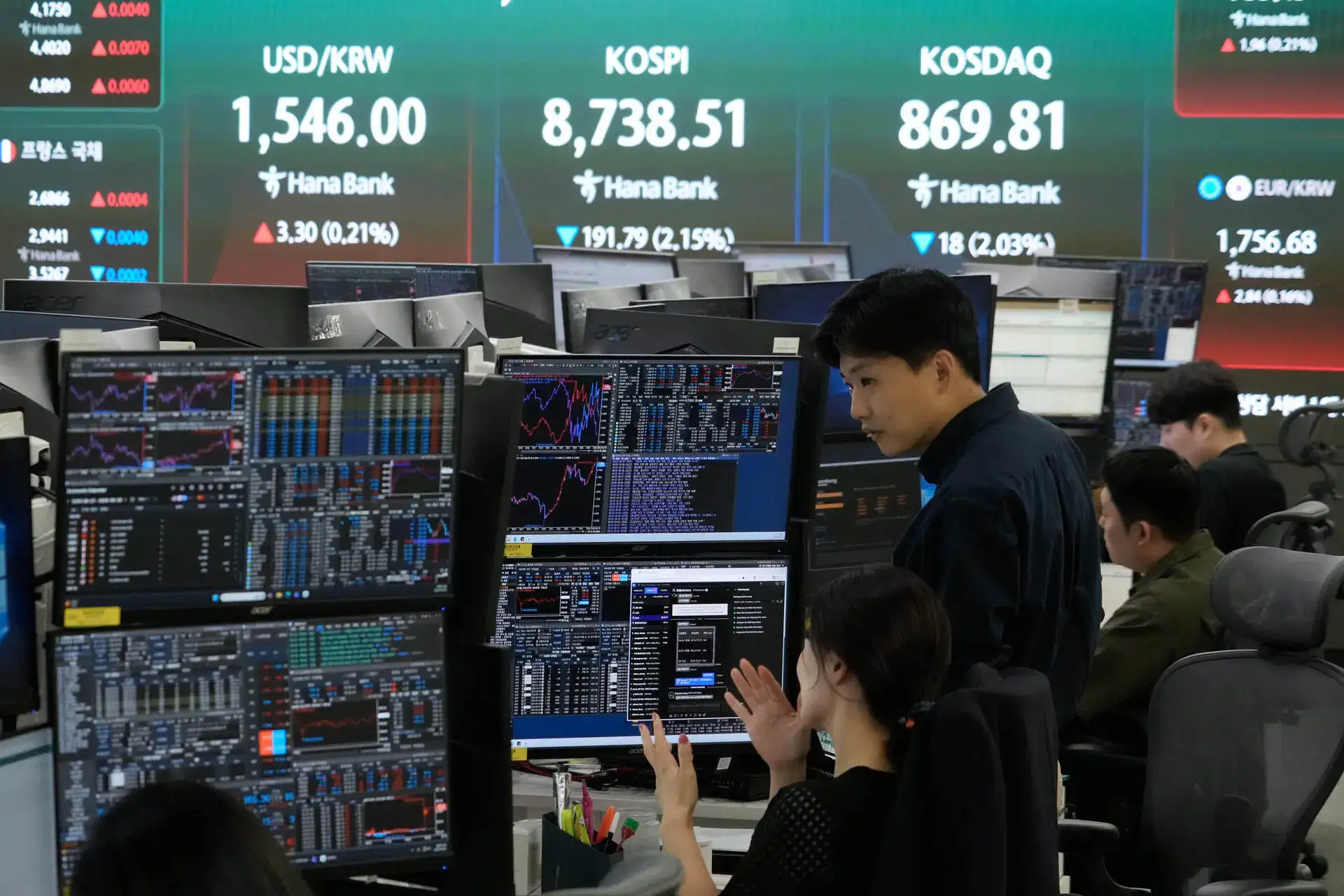
Despite suggesting an imminent end to the fighting, Trump maintained a firm stance on preventing Iran from acquiring nuclear weapons, leaving open the possibility of resuming military strikes if circumstances deteriorate. He described the United States as "docked and loaded and ready to go," although he downplayed the likelihood of new offensive actions in the immediate term. The protracted conflict has had significant global economic repercussions, driving a surge in fuel prices that affects nearly every sector of the world economy. Furthermore, reports indicate that the U.S. had planned for a potential increase in naval forces in the Middle East around the time of the midterm elections, suggesting that the trajectory of the conflict may be influenced by domestic political timelines.