
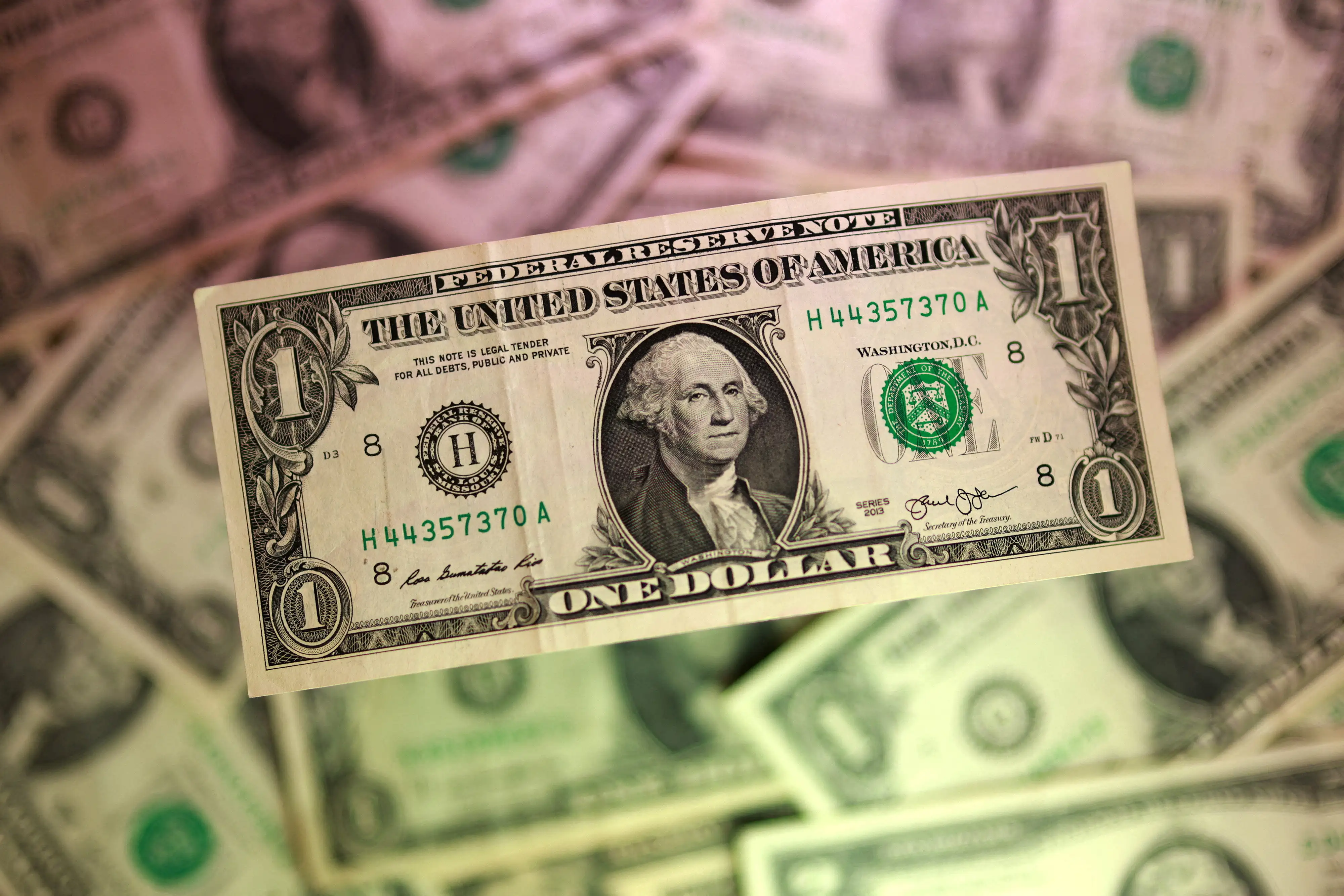
The United States dollar has recently begun a downward trajectory after reaching a prominent six-month high. This decline in the greenback's value comes amid shifting market dynamics where geopolitical concerns in the Middle East and anxieties regarding artificial intelligence have started to ease significantly. Consequently, the currency's safe-haven appeal has waned. Furthermore, recent data showcasing impressive domestic job growth figures has significantly influenced market sentiments, prompting investors to reassess the broader macroeconomic landscape and potential future currency valuations.
Investors and market participants across global exchanges are now eagerly anticipating the publication of the latest consumer price index figures. The forthcoming inflation report is widely viewed as a crucial catalyst that will directly inform the Federal Reserve during its upcoming interest rate considerations. Traders are attempting to gauge how persistent price pressures might sway central bank officials as they weigh the timing and magnitude of future monetary policy adjustments, which remain fundamental to the dollar's overall strength.
Meanwhile, rival currencies such as the euro are capitalizing on the dollar's temporary weakness, mounting a firm rebound on foreign exchange trading desks. This recovery across international currencies is further reinforced by solid underlying economic indicators emerging from major global regions. As confidence in non-dollar economies continues to solidify, foreign exchange markets are experiencing a rebalancing, with capital shifting back toward international currencies amid a changing interest rate environment.


